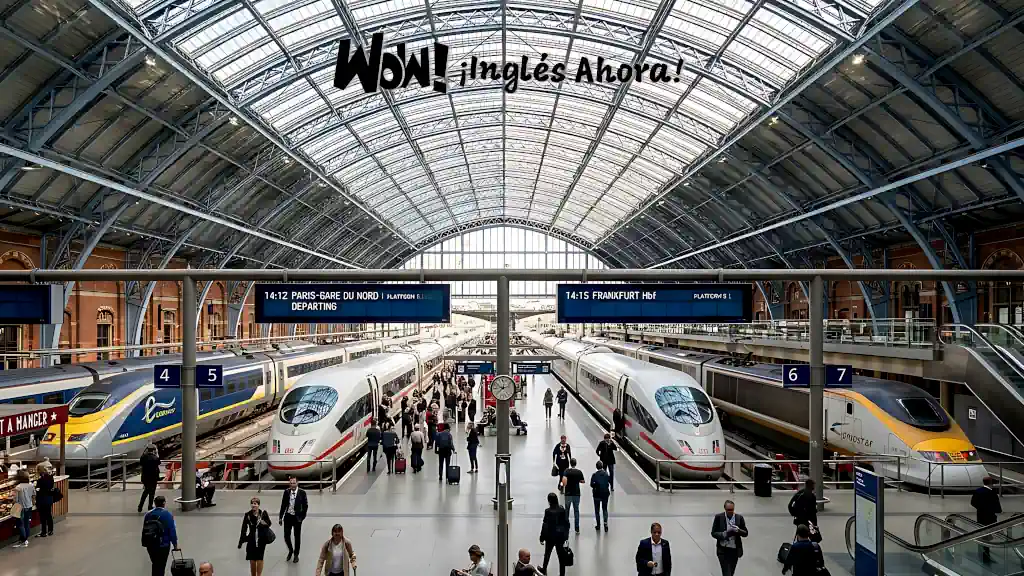
To plan /tu plæn/ significa planear o hacer planes. Usamos este verbo cuando una persona piensa con anticipación en lo que quiere hacer, organizar o preparar.
La estructura más común es plan to + verbo base:
- Plan to study — Planear estudiar.
- Plan to travel — Planear viajar.
- Plan to buy a car — Planear comprar un carro.
También podemos usar plan something cuando hablamos de organizar un evento, una actividad o una acción: They planned the meeting — “Ellos planearon la reunión”.
Otra estructura común es plan for something, que significa prepararse o hacer planes para una situación: We are planning for the future — “Estamos haciendo planes para el futuro”.
Plan también puede ser un sustantivo: I have a plan — “Tengo un plan” . Como verbo, describe la acción de planear. Como sustantivo, describe la idea o estrategia que una persona tiene.
Plan es un verbo regular: plan → planned → planned. Como plan termina en consonante + vocal + consonante, la n final se duplica en planned y planning. Aunque se escribe con doble n, se pronuncia como un solo sonido /n/.
La forma de tercera persona plans se pronuncia /plænz/, con sonido final /z/. El pasado y el participio planned se pronuncian /plænd/, con sonido final /d/. El gerundio planning se pronuncia /ˈplæn.ɪŋ/.
Simple Tense
Simple Present Tense
| Pers. | Singular | Plural |
|---|---|---|
| 1ª | I plan | We plan |
| 2ª | You plan | You plan |
| 3ª | He/She/It plans | They plan |
Plan: /plæn/, plans: /plænz/
Simple Past Tense
| Pers. | Singular | Plural |
|---|---|---|
| 1ª | I planned | We planned |
| 2ª | You planned | You planned |
| 3ª | He/She/It planned | They planned |
Planned: /plænd/
Simple Future Tense
| Pers. | Singular | Plural |
|---|---|---|
| 1ª | I will plan | We will plan |
| 2ª | You will plan | You will plan |
| 3ª | He/She/It will plan | They will plan |
Will plan: /wɪl plæn/
Continuous Tense
Present Continuous Tense
| Pers. | Singular | Plural |
|---|---|---|
| 1ª | I am planning | We are planning |
| 2ª | You are planning | You are planning |
| 3ª | He/She/It is planning | They are planning |
Planning: /ˈplæn.ɪŋ/
Past Continuous Tense
| Pers. | Singular | Plural |
|---|---|---|
| 1ª | I was planning | We were planning |
| 2ª | You were planning | You were planning |
| 3ª | He/She/It was planning | They were planning |
Was planning: /wəz ˈplæn.ɪŋ/, Were planning: /wɜr ˈplæn.ɪŋ/
Future Continuous Tense
| Pers. | Singular | Plural |
|---|---|---|
| 1ª | I will be planning | We will be planning |
| 2ª | You will be planning | You will be planning |
| 3ª | He/She/It will be planning | They will be planning |
Will be planning: /wɪl bi ˈplæn.ɪŋ/
Perfect Tense
Present Perfect Tense
| Pers. | Singular | Plural |
|---|---|---|
| 1ª | I have planned | We have planned |
| 2ª | You have planned | You have planned |
| 3ª | He/She/It has planned | They have planned |
Have planned: /hæv plænd/, Has planned: /hæz plænd/
Past Perfect Tense
| Pers. | Singular | Plural |
|---|---|---|
| 1ª | I had planned | We had planned |
| 2ª | You had planned | You had planned |
| 3ª | He/She/It had planned | They had planned |
Had planned: /hæd plænd/
Future Perfect Tense
| Pers. | Singular | Plural |
|---|---|---|
| 1ª | I will have planned | We will have planned |
| 2ª | You will have planned | You will have planned |
| 3ª | He/She/It will have planned | They will have planned |
Will have planned: /wɪl hæv plænd/